Explore the equipment catalogue

Showing the first 40. Add a model name to narrow your search.

UDB-IoT · Perth installation

UniFi Device Bridge IoT
Installation Perth.

Plan your UniFi Device Bridge IoT installation in Perth with Servicewest. We assess the site and supporting equipment before specifying UDB-IoT.

  • Floor plan and mounting position
  • Cabling, uplink and power
  • Client compatibility and coverage testing
Request a site assessment Australian model, compatibility and procurement checked before the scope is confirmed.

Installing Device Bridge IoT. Start with the site.

Position Device Bridge IoT around your building.

For a Device Bridge IoT installation, the floor plan and the intended mounting location come before a coverage promise. We assess walls, ceiling height, client devices and neighbouring wireless networks. The UDB-IoT specifications below help establish whether this model fits the proposed location.

Installation details for UDB-IoT

Power Method: USB Type-C (5V DC, 1A) 4-pin DC (9–30V DC). Max. Power Consumption: 2.3W. Networking Interface: (1) 10/100M RJ45 port. Mounting Locations: Wall, DIN rail. Mounting: Included mount. These manufacturer figures inform the mounting, connection and site assessment; we check the final model and supporting equipment before installation.

Check the outdoor path.

Outdoor access and building links need a site-specific review of mounting, exposure, cable entry and the radio path. We confirm whether the intended use is local WiFi coverage or a link between buildings, and check the equipment needed at each end.

Configure and test the agreed areas.

Network names, guest access, security settings and roaming are configured for the devices using the property. We test in the agreed locations and explain any remaining limitations. Internet speed and client capability still affect the experience at the endpoint.

Know the
equipment.

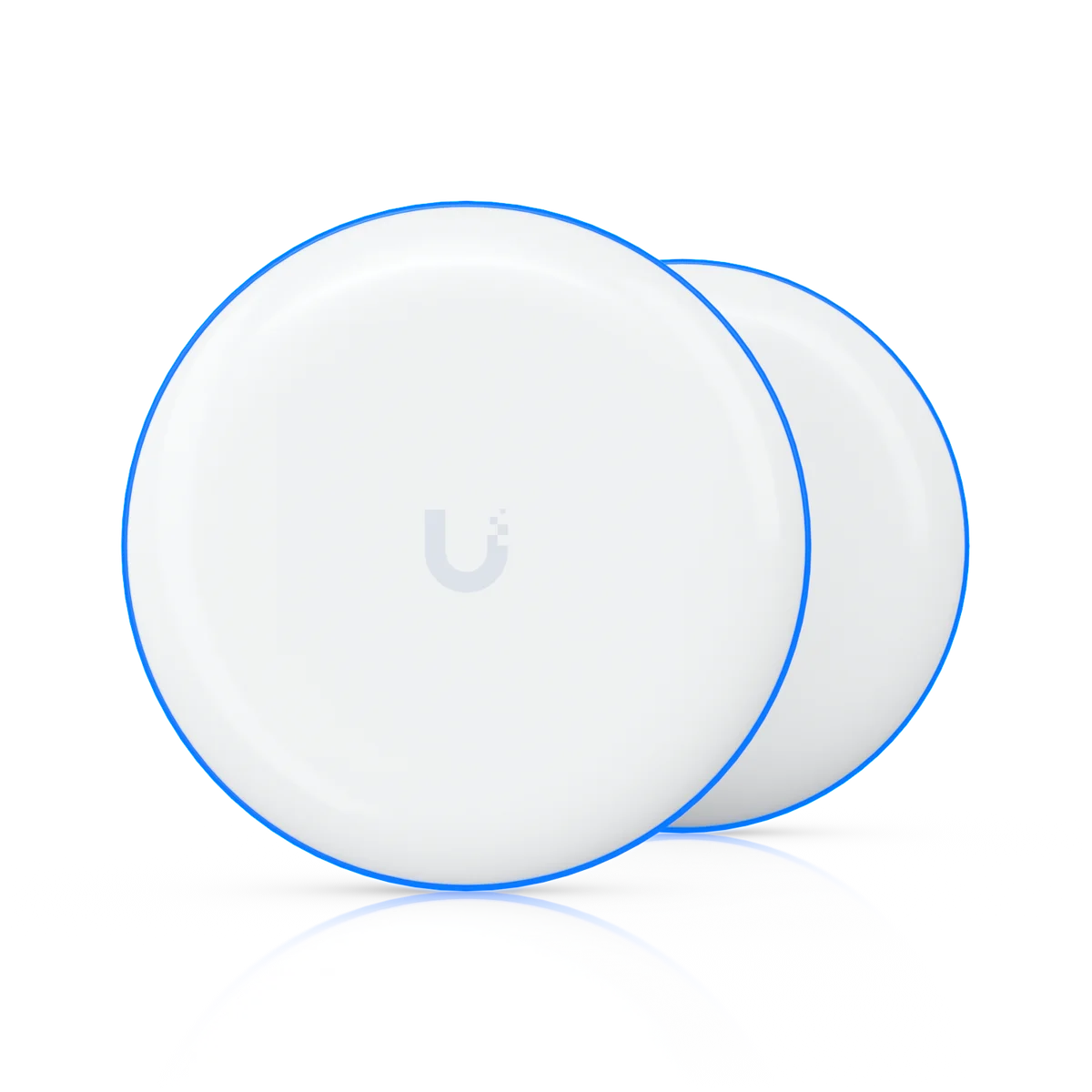
Manufacturer specifications for UDB-IoT. Check the selected model, regional version and current software requirements during assessment.

View manufacturer source
Overview
DimensionsDevice: 63 x 44.5 x 25.5 mm (2.5 x 1.8 x 1") With external antenna: 89 x 44.5 x 25.5 mm (3.5 x 1.8 x 1")
WiFi StandardWiFi 4
Spatial Streams2
Mounting LocationsWall, DIN rail
MountingIncluded mount
Power MethodUSB Type-C (5V DC, 1A) 4-pin DC (9–30V DC)
Performance
2.4 GHz2 x 2
2.4 GHz300 Mbps (BW40)
2.4 GHzInternal: 4dBi External omni: 3dBi
2.4 GHz20 dBm
Max. Conducted TX Power20 dBm (Combined)
802.11n6.5 Mbps to 300 Mbps (MCS0 - MCS15, HT 20/40)
Wireless SecurityWPA2 AES (Always On)
Hardware
Max. Power Consumption2.3W
Supported Voltage RangeUSB-C: 5V DC Socket: 9–30V DC
Networking Interface(1) 10/100M RJ45 port
Antennas(1) Internal antenna (1) RP-SMA connector for external omni-antenna
ManagementWiFi
Channel Bandwidth20/40 MHz
WeightDevice: 45 g (1.6 oz) With external antenna: 53 g (1.9 oz)
Enclosure MaterialPolycarbonate
Mount MaterialPolycarbonate
Button(1) Factory reset
System(4) Blue: signal (1) White/blue: indicator
CertificationsCE, FCC, IC
Ambient Operating Temperature-10 to 50° C (14 to 122° F)
Ambient Operating Humidity5 to 95% noncondensing

Plan the supporting equipment. Check the complete system.

Related catalogue items to discuss. Compatibility is checked against the exact model and site design.

A few practical questions.

Can you assess Device Bridge IoT for an existing system?
Yes. Include UDB-IoT, your existing console or host equipment, and a brief description of the work in your enquiry. We check compatibility, capacity and site access before confirming the installation scope.
What should I send for a Device Bridge IoT assessment?
Send your suburb, property type, the intended location and any existing equipment model numbers. Floor plan and mounting position and cabling, uplink and power are useful starting points. Photographs of the proposed location can help with the initial discussion.
Does this page confirm Australian stock or a fixed installation price?
No. This catalogue uses manufacturer product references. We confirm the suitable Australian model, procurement options and a site-specific scope before quoting.

Keep planning.

Let’s look at your site.

Good installations
start with a conversation.

Tell us your suburb, your property and what you want to connect. We’ll work through the equipment and the installation with you.