Explore the equipment catalogue

Showing the first 40. Add a model name to narrow your search.

UPS-Tower-US · Perth installation

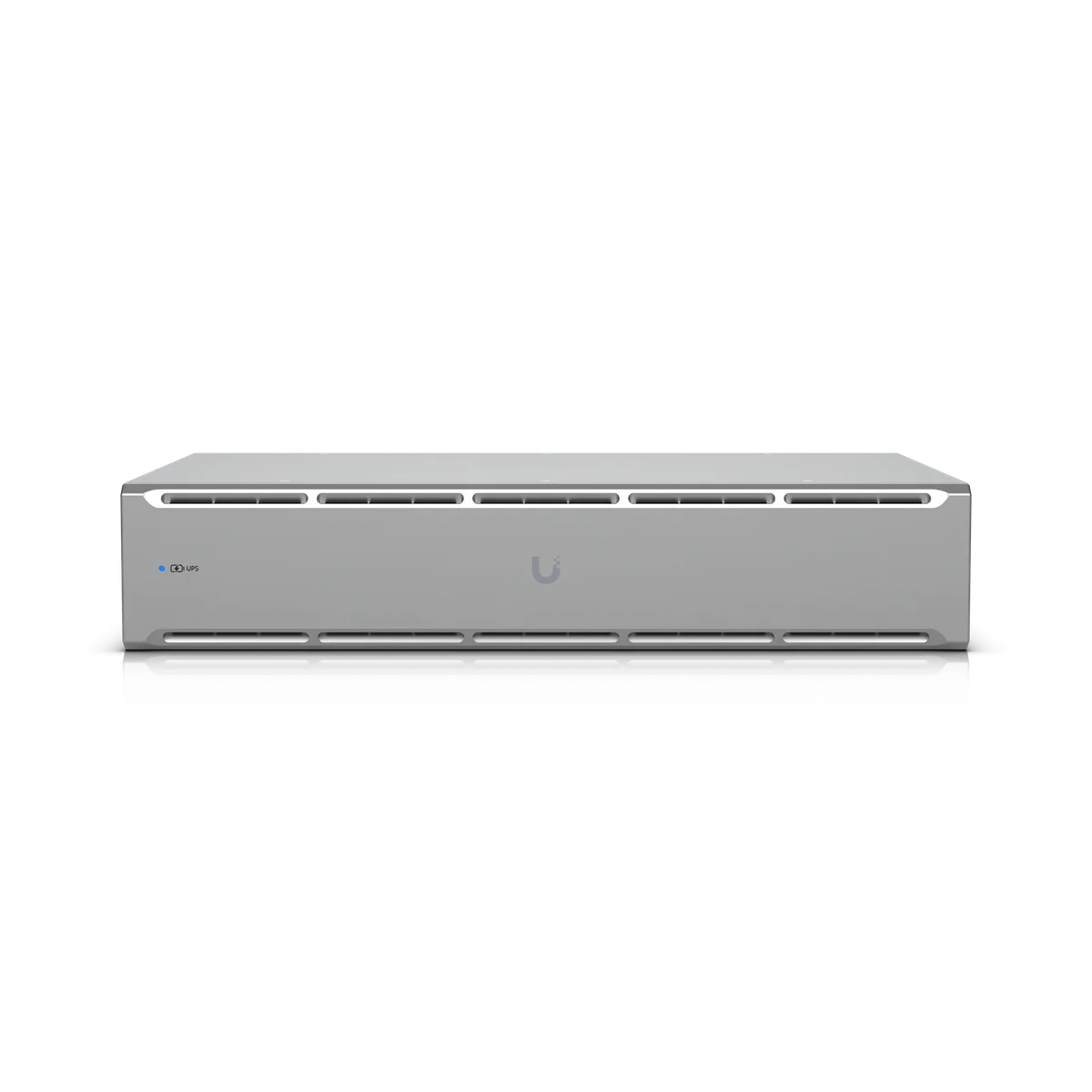
UniFi UPS Tower
Installation Perth.

Plan your UniFi UPS Tower installation in Perth with Servicewest. We assess the site and supporting equipment before specifying UPS-Tower-US.

  • Australian model and supported services
  • Network, mounting and power
  • Account ownership and maintenance
Request a site assessment Australian model, compatibility and procurement checked before the scope is confirmed.

Installing UPS Tower. Start with the site.

Define the job for UPS Tower.

We review what UPS-Tower-US needs to do within your property and which UniFi applications or supporting devices it requires. Existing network capacity, mounting, account access and the Australian model are checked before the equipment list is finalised.

Installation details for UPS-Tower-US

Power Method: (1) TN system, 120V AC, 12A Max., 50/60 Hz. Networking Interface: (1) 100/10 MbE port for network connection (2) GbE ports for surge in/out. Weatherproofing: IP20. Dimensions: 288 x 99 x 280.5 mm (11.3 x 3.9 x 11"). Ambient Operating Temperature: 0 to 40° C (32 to 104° F). These manufacturer figures inform the mounting, connection and site assessment; we check the final model and supporting equipment before installation.

Review the load and the power arrangement.

Power connections, the intended load and the required backup function determine suitability. Runtime varies with the connected equipment and battery condition. We confirm the Australian configuration and installation responsibilities before specifying the unit.

Document how the addition is used.

Configuration and testing cover the functions agreed for this installation. We explain the controls and assign ownership of routine administration, updates and any backup responsibilities. Supporting equipment is selected for this exact model.

Know the
equipment.

Manufacturer specifications for UPS-Tower-US. Check the selected model, regional version and current software requirements during assessment.

View manufacturer source
Mechanical
Dimensions288 x 99 x 280.5 mm (11.3 x 3.9 x 11")
Weight8.17 kg (18 lb)
Enclosure MaterialPolycarbonate and acrylonitrile butadiene styrene blend
Form FactorDesktop
WeatherproofingIP20
Hardware
ManagementEthernet
Networking Interface(1) 100/10 MbE port for network connection (2) GbE ports for surge in/out
Power(1) OVC II AC in: NEMA 5‑15P, 1.8 m (5.9 ft) non-removable power cord (5) Battery backup/surge protection: NEMA 5‑15R (5) Surge protection: NEMA 5‑15ROutlets are not individually resettable
Capacity1,000VA/600W
TypeLine interactive
Input Voltage Range89–145V AC
Power Method(1) TN system, 120V AC, 12A Max., 50/60 Hz
Nominal Input Voltage120V AC
Output Voltage120V AC
Frequency RangeAC mode: 50/60 Hz ±5 Hz (Auto sensing) Battery mode: 60 Hz ±1 Hz
AC Voltage Regulation±10% (Battery mode)
Transfer Time6 ms typical; 10 ms max. (Battery mode)
Wave FormSimulated sine wave (Battery mode)
Battery Type(1) Lead Acid 12V, 9Ah
RuntimeFull load: 2 min Half load: 7 min
Battery Charging Time6-8 hours recovery to 90% capacity
Overload at On-Line Mode110% 5 min go to fault 120% go to fault immediately
Overload at Battery Mode110% shutdown in 5 sec 120% shutdown immediately
Short Circuit Protection at On-Line ModeBreaker, 250V AC, 15A
Output Short-Circuit CurrentIpeak 334.8A Irms 68.2A
Buttons(1) Power (1) Factory reset
StatusOff: device not turned on Flashing white: initializing / factory default Steady white: waiting for adoption Steady blue: device adoption and working Flashing blue: battery mode Alternating white/blue: firmware upgrading Rapid flashing blue: locate Steady red: warning Flashing red: low battery
Battery IndicatorAll off: 0% (1) Steady blue: battery 1–19% (2) Steady blue: battery 20–39% (3) Steady blue: battery 40–59% (4) Steady blue: battery 60–79% (5) Steady blue: battery 80–100%
Operating Altitude3,000 m (1.9 mi)
Operating EnvironmentPollution Degree 2
Ambient Storage Temperature-20 to 50° C (-4 to 122° F)
Ambient Operating Temperature0 to 40° C (32 to 104° F)
Ambient Operating Humidity0 to 95% noncondensing
CertificationsFCC, IC, UL 1778, CSA C22.2 No. 107.3

Plan the supporting equipment. Check the complete system.

Related catalogue items to discuss. Compatibility is checked against the exact model and site design.

A few practical questions.

Can you assess UPS Tower for an existing system?
Yes. Include UPS-Tower-US, your existing console or host equipment, and a brief description of the work in your enquiry. We check compatibility, capacity and site access before confirming the installation scope.
What should I send for a UPS Tower assessment?
Send your suburb, property type, the intended location and any existing equipment model numbers. Australian model and supported services and network, mounting and power are useful starting points. Photographs of the proposed location can help with the initial discussion.
Does this page confirm Australian stock or a fixed installation price?
No. This catalogue uses manufacturer product references. We confirm the suitable Australian model, procurement options and a site-specific scope before quoting.

Keep planning.

Let’s look at your site.

Good installations
start with a conversation.

Tell us your suburb, your property and what you want to connect. We’ll work through the equipment and the installation with you.